FUEL THEFT GLOBALLY
Fuel theft is happening along its whole life-cycle at a different scale. Fuel is a universal currency, which is difficult to track and very easy to use or sell.
FUEL THEFT AROUND YOU
After being delivered to fuel stations, fuel is stolen in many different ways. Quantities stolen are often small, but the number of cases is huge. Fuel stations, cars, trucks, generators – everything is vulnerable to fuel theft.
HOW IT’S HAPPENING
Fuel theft happens everywhere, even in highly developed countries and in many cases, it goes unnoticed or is simply unreported.
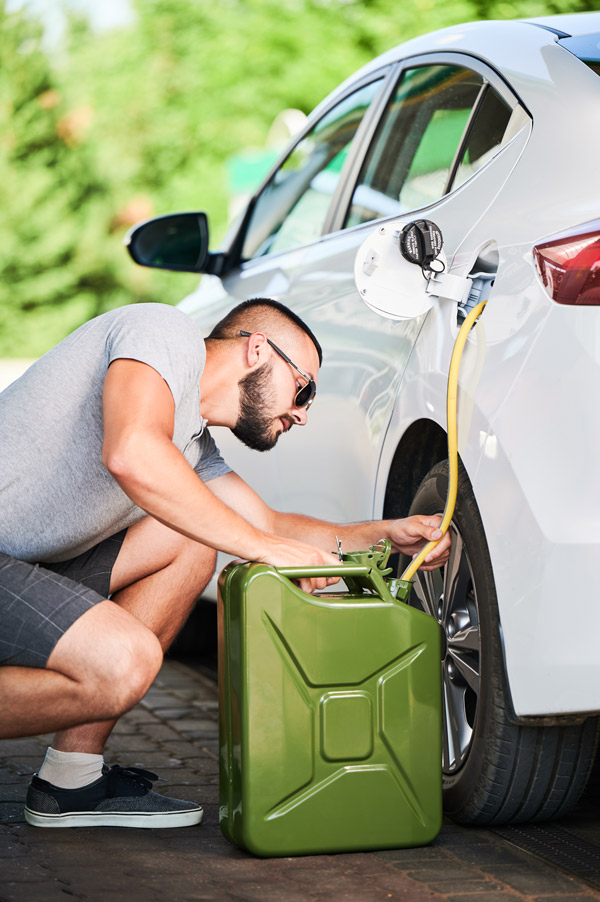
Cars are filled and driven away without a payment being made, personal containers are filled when a company vehicle is billed on a fuel card, fuel may be siphoned from any vehicle while nobody is looking or draining the whole tank.
Siphoning fuel can be done by an opportunistic thief, organised gang (external theft) or Internal Theft from a company’s truck or van for a personal vehicle.
External Theft
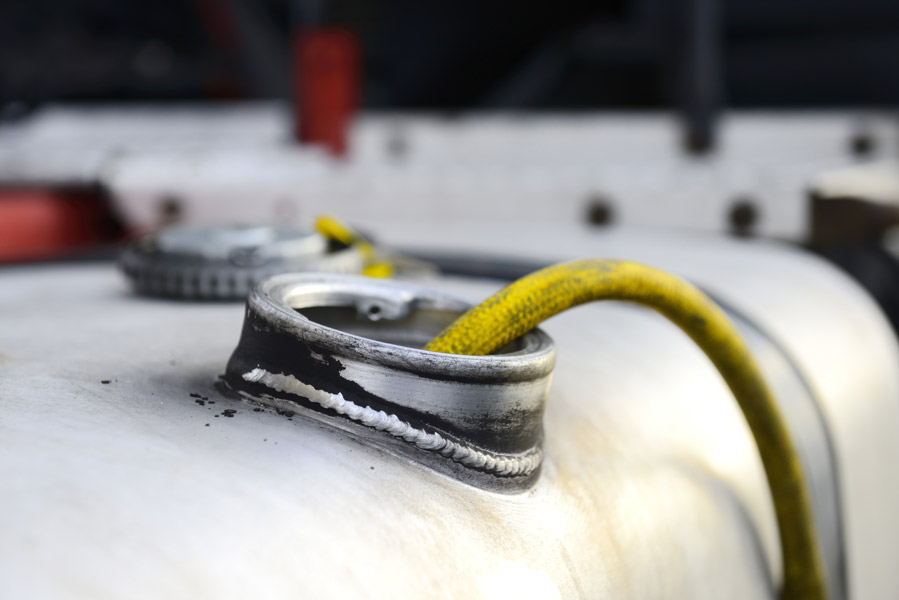
Even though external theft is rarer than internal theft, it is usually much more damaging for the vehicle and for the business relying on it. Losses from such a theft will often include a broken fuel cap, damaged sender unit or even a fuel tank, spilled fuel and cost of repairs, and also potentially huge problems with delivery schedule, replacement vehicle, etc.
Internal Theft
Internal theft, on the other hand is less harmful, but it can happen regularly on a smaller scale and can significantly increase a company’s fuel costs. In this case, a person with access to the vehicle siphons a relatively small amount of fuel from the fuel tank on a regular basis and this can go unnoticed for years. The vehicle’s fuel consumption will be higher than it should be, but as many other factors, are at play here it is almost impossible to track down the thief.
Fuel Protection
HOW TO PROTECT YOUR TANK
There are a number of different ways to protect fuel inside your vehicle. They can be split into two main groups:
Proactive measures will help you to prevent fuel theft;
Reactive measures can help you to identify the thief and possibly recover stolen fuel.
Proactive Measures
The main proactive measures are listed below:
-
Park your vehicle in a secure parking area, well lit and with CCTV cameras;
-
Educate drivers about fuel theft and train them to park defensively;
-
Re-fuel just before the journey; do not leave a vehicle with a full tank overnight;
-
Use a locking fuel cap;
-
Use a fuel tank alarm;
-
Use an anti-siphon device – a mechanical device obstructing access to a fuel tank, but allowing fuel inside a tank;
-
Use protective covers and locks for sender unit, drain plug and connectors along fuel lines.
Reactive Measures
The main reactive measures are:
-
Use an anti-siphon device – a mechanical device preventing access to a fuel tank for siphoning, but allowing high speed fuel filling into tank;
-
Use a fuel monitoring system which track the vehicle position, fuel cap opening and fuel level;
-
Use a separate “smart” fuel cap, which sends a message when it is open;
-
Conduct regular inspections of the vehicle fuel system to spot any attempts to tamper with it;
-
Implement a reporting system (internal and external), including reporting suspicious behaviour, fuel theft and fuel theft attempts.
ANALYSIS OF THE FUEL PROTECTION PRODUCTS
Protective systems and devices have differing costs and levels of efficiency:
- Locking fuel cap is the basic, cheapest and, unfortunately, the least effective device. It may deter some opportunistic thieves, but is not overly robust, can be easily circumvented and, in the case of internal theft, the driver has access anyway.
- Fuel tank alarm is very effective against an opportunistic thief, but would be pointless in the case of internal theft or a well-equipped thief.
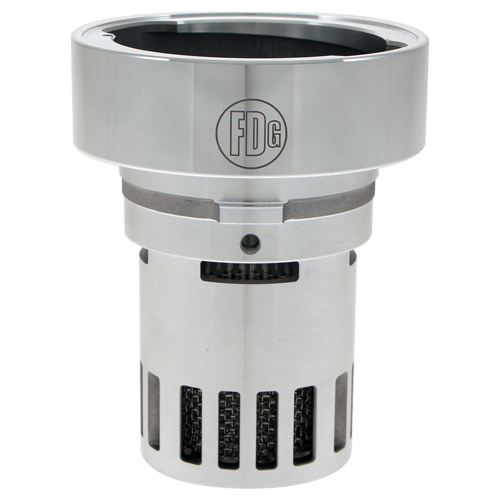
- Fuel anti-siphon device is a simple and effective mechanical protection against both internal and external fuel theft. An anti-siphon device allows fuel to flow into the tank, but prevents it from being siphoned out. To understand its features and choose the one that really works, please read our review of anti-siphons.
- Fuel cap protector is a heavy-duty fuel cap cover with a padlock. Effective for external theft only and sometimes requires drilling a fuel tank to install it.
- Fuel monitoring system monitors the fuel level in the tank and the vehicle position via GPS mapping. The system would be capable of sending alerts to a nominated person advising of any fuel anomalies. Data Analysis of the fuel monitoring system may help improve fleet efficiency, supported by implementing best practices among drivers. Fuel theft may be identified using this system but is not capable of preventing it.
- “Smart” fuel cap is an anti-fuel theft device, sending real-time information of the vehicle location via GPS and notifications when the cap is locked, unlocked or tampered with. Other functionality is control of vehicle cameras, horn, lights, sirens and alarms.
- Sender unit cover is designed to protect the sender unit from attack and tampering by restricting access to a would-be thief.
- Drain plug protection is designed to replace the existing drain plug with a high security alternative.
WHICH ONE IS RIGHT FOR YOU?
An Owner/drivers’ need is to protect their fuel from external theft. The most effective solution to achieve this would be a combination of preventive security measures – a locking fuel cap together with an anti-siphon device protecting the fuel filler neck as well as secure/defensive parking. In addition, consideration should be given to installing a Smart Cap, sender unit protection and a high security drain bolt.
A Fleet should be prepared for both internal and external fuel theft and should use proactive measures, which will help identify any weak spots in fuel security. Thus, for the fleet, the most effective set of measures would be the same as above for an individual owner/driver, together with heightened security at their premises and implementation of regular inspections of vehicle fuel tank security and prompt reporting of any suspicious activity should be implemented.
In the above examples, defensive parking and security devices, such as locking fuel caps and anti-siphons should help stop fuel theft.