As fuel prices remain volatile, fuel theft is on the rise in Australia. FuelDefend’s systems offer security for the nation’s truck operators against the rising trend.
There was a time, not all that long ago, when fuel theft in Australia was something you heard about happening somewhere else. The UK, perhaps. Parts of Europe. Places where diesel seemed to disappear in bulk, not by the litre. Here, it was different, or so we thought.
In Australia, fuel rarely vanishes in dramatic fashion. It doesn’t announce itself. It slips away quietly a few litres at a time, a tank that doesn’t quite add up, a number that feels off but not enough to chase too hard. Until one day, it does.
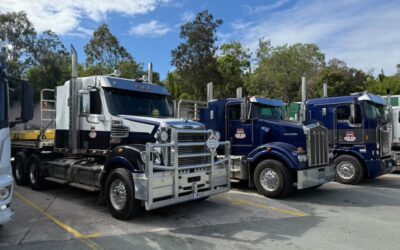
Anyone running trucks knows the margins are tight enough without mystery losses creeping in. Yet that’s exactly how fuel theft tends to show itself not as a single big hit, but as a pattern. A couple of hundred litres gone from a yard overnight. A recurring shortfall across a fleet. Fuel purchased that somehow never quite turns into kilometres.
Write it off once and it’s easy. Write it off every week and it starts to look like a problem.
In today’s climate, it’s more than a problem. With diesel prices still sitting high by historical standards, even small discrepancies carry weight. What might once have been shrugged off as ‘just one of those things’ now lands squarely on the balance sheet.
For years, Australian operators haven’t had to think too hard about fuel security. The risk was low, the solutions were often costly or complicated, and the numbers didn’t justify the effort. That balance is shifting.
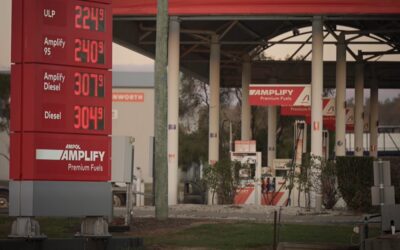
Recent incidents tell the story. In Sydney, a man was caught on CCTV allegedly helping himself to hundreds of litres of diesel nearly $3,000 worth. In regional Queensland, a thousand litres disappeared from a rural property. These are far more than isolated curiosities, they’re signs of a changing environment.
As fuel prices rise and supply pressures linger, diesel becomes something more than just a running cost. It becomes an asset and like any asset, it attracts attention. If this all feels a little unfamiliar locally, it shouldn’t. Operators in the UK and Europe have already been through it. They’ve seen what happens when fuel theft moves from occasional nuisance to operational headache. And they’ve learned sometimes the hard way that reacting after the fact is rarely effective.
The lesson is straightforward, it’s far easier to stop fuel leaving the tank than to recover it once it’s gone. That thinking sits behind FuelDefend, a system now making its way into the Australian market through TRAIL-LINK. There’s nothing especially complicated about the concept. In fact, that’s rather the point.
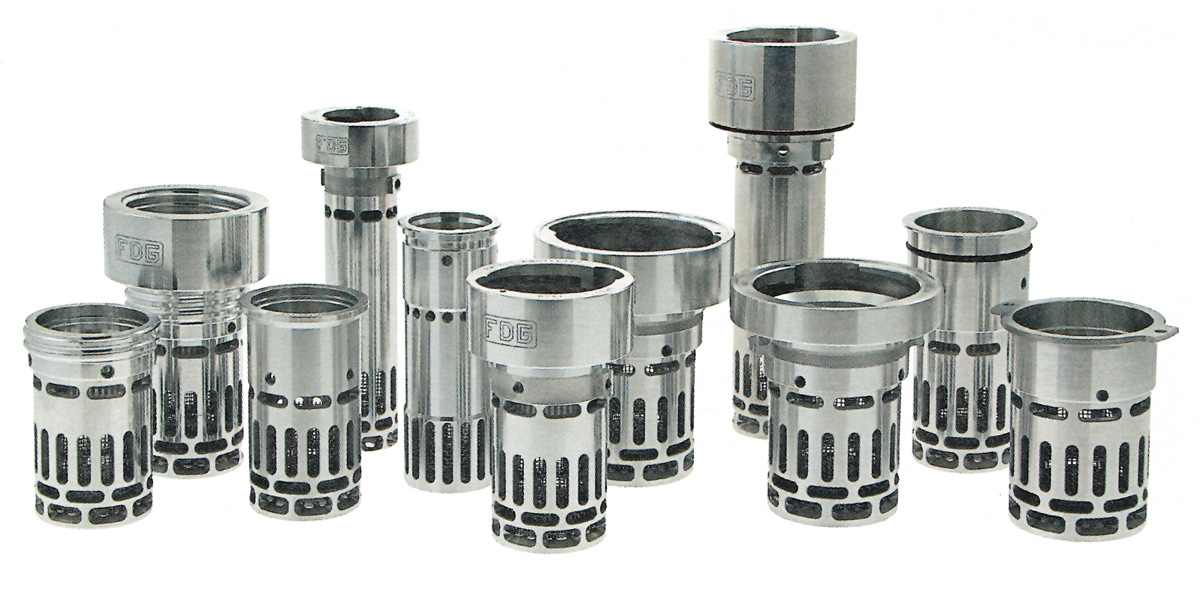
Instead of tracking fuel after it disappears, FuelDefend focuses on preventing it from being taken in the first place, physically stopping siphoning at the tank. Devices in the UltraElite range are designed to do one job make it extremely difficult for fuel to be removed without authorisation.
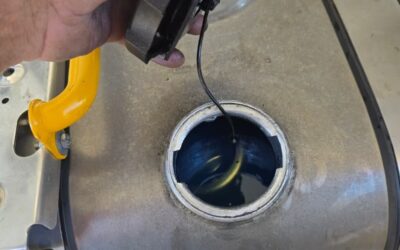
No electronics to fail. No major modifications required. No noticeable impact on how the truck operates day to day. Fit it, forget it, and get on with the job. And if something does find its way into the tank that shouldn’t be there, it’s not a complicated exercise, access is straightforward via the sender unit up top, or it can be drained and cleaned out from below in the usual way.
The trucking industry has never been slow to adapt when something starts affecting the bottom line. Fuel theft, for a long time, sat below that threshold. It was there, but not enough to drive change. Now it’s edging past that point, being thrust into the spotlight as fuel prices rise. Naturally, the question has turned to how soon operators will feel it and how much it will cost.
What’s changed is more than just the risk, it’s the practicality. Where anti-theft systems were once expensive or overly complex, newer designs are comparatively straightforward and affordable. In some cases, the cost of installation is less than the value of a single tank lost to theft.
That changes the conversation, it’s no longer about whether fuel security is worth considering, it’s about whether it makes sense not to. Particularly for operators with vehicles parked outside secure depots, on farms, roadside or even in public fuel stops the sort of places where access is easy and oversight is limited.
FuelDefend is still new to Australia, meaning local case studies are only just beginning to take shape. But if overseas experience is anything to go by, the trajectory is fairly clear. As fuel remains valuable and accessible, theft follows. And as theft increases, prevention becomes part of normal operations more than just an afterthought.
In the end, it comes down to something quite simple. Every litre that stays in the tank is one you don’t have to pay for twice. And in this business, that’s reason enough to act.